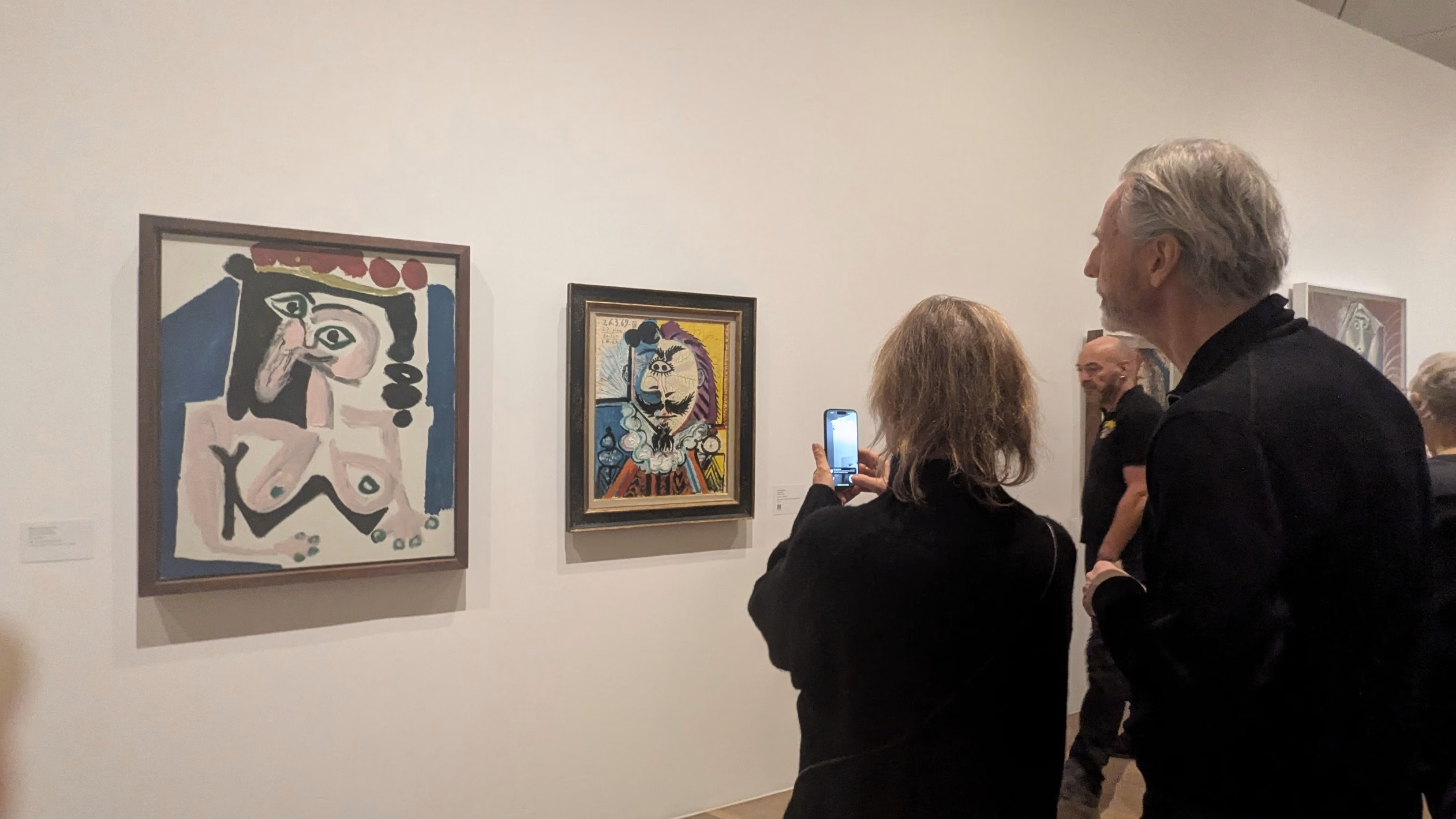
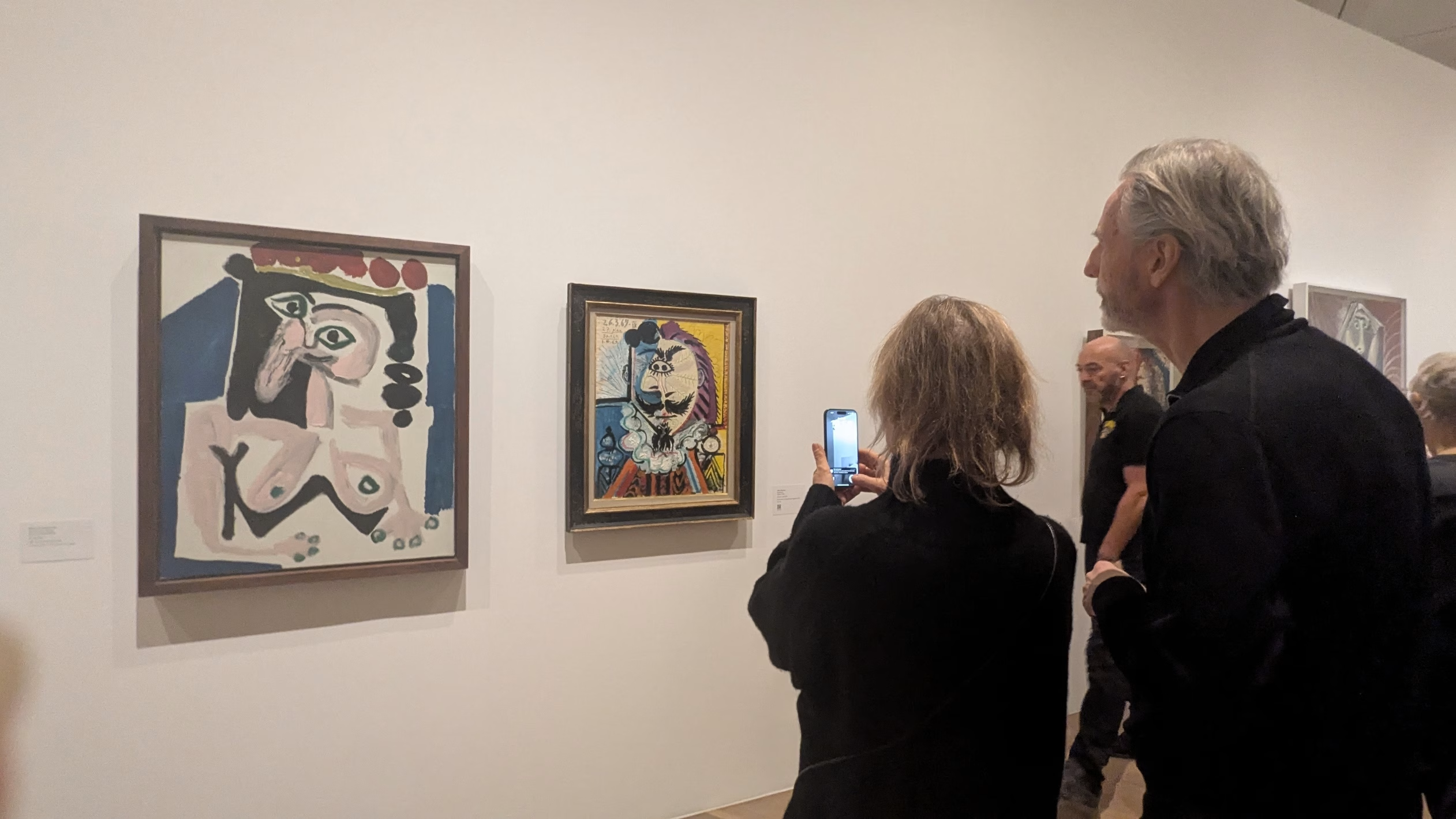
Until April 5, 2026, the Moderna Museet Stockholm presents an extensive exhibition on Pablo Picasso’s final creative years. Under the title “Late Picasso” (Sena Picasso), the museum brings together around 50 paintings and 30 works on paper from 1963 to 1972.
The focus is deliberately on the period long regarded as a “symptom of aging” – a repetition, a reflex, an unbroken assertion of a painter who had long become his own icon.
In fact, visitors encounter a Picasso who no longer searches but negotiates. The works resemble mirrors of his own oeuvre: classical figure motifs, references to art history, expressive swaths of color, simplified symbolic codes that no longer provoke but settle into their own language. Stasis is not weakness here, but persistent self-examination. Yet this aesthetic density stands in stark contrast to a remarkable vacuum: the biographical and political readability of his late work.
Because Pablo Picasso was an A**hole
Picasso is not only the master of Cubism but also a symbol of problematic power structures in the art canon. His attitude toward women is a matter of dispute—or arguably, no longer disputable: in 2025, dominance, violence, and abuse need no debate. Muses, lovers, models – often underage, often female artists who later suffered psychologically or were professionally undermined. The painful ambivalence between artistic admiration and biographical violence is documented but only a footnote in the museum. In contemporary discourse, this has long been openly discussed: sexism, abuse, a male gaze that deforms women into projections. Even in these deformations, breasts and vulvas remain prominent – saying much, if not everything, about his view of women.
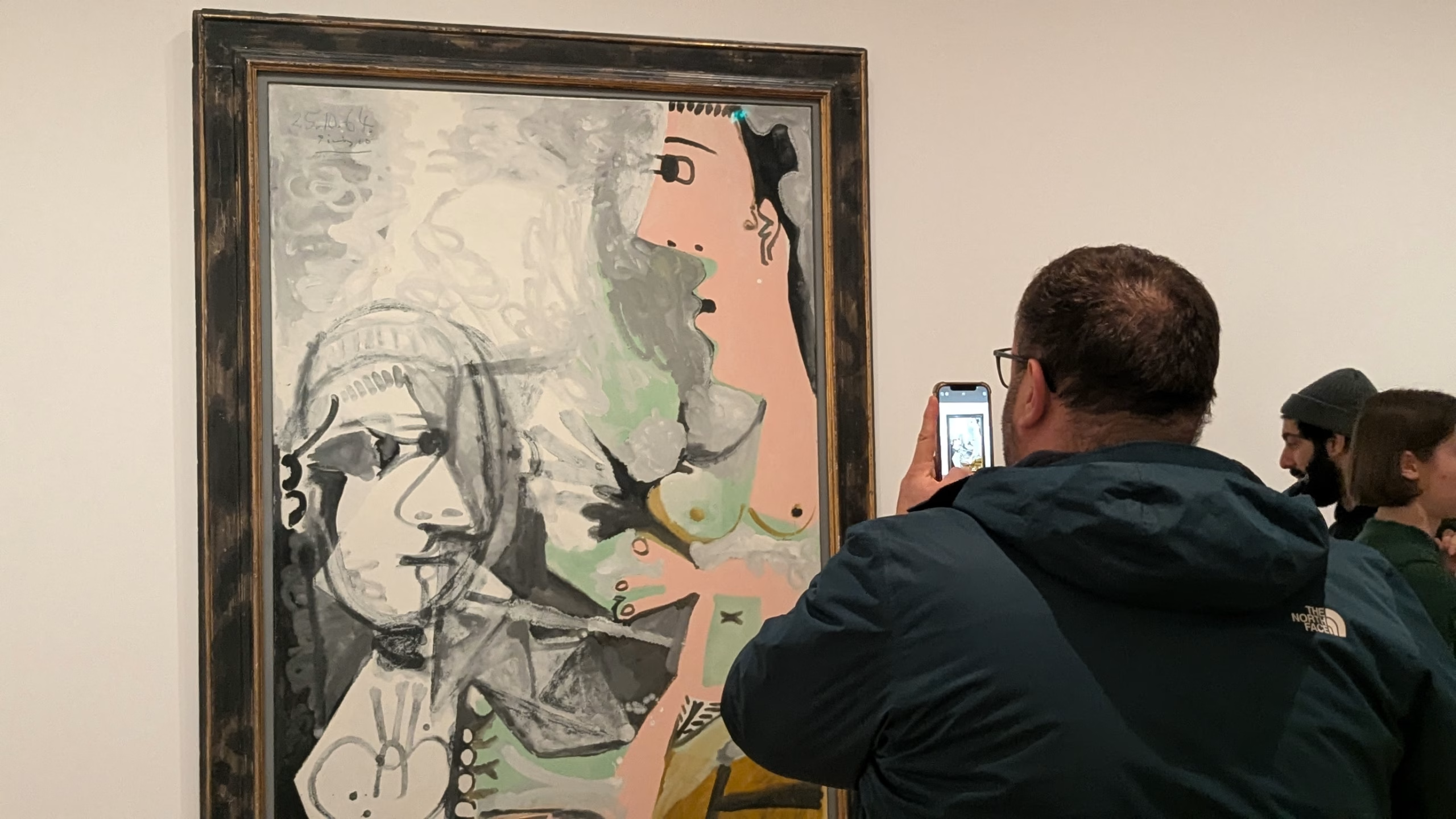
What does it mean to celebrate Picasso’s late work today – without considering these relationships? Picasso, the self-proclaimed macho. A Dora Maar, who had to give up her career and later said his paintings were “lies,” or Françoise Gilot, who had to free herself to even work, why are these voices not displayed on equal footing alongside the canvases? Their experiences are not footnotes but integral to the production of the images.
The exhibition takes the work seriously, but not the human being. It stages artistic freedom without addressing questions of power, preserving exactly that separation between genius and life reality that museums today so often seek to overcome. It would not only have been possible but necessary to contextualize Picasso for contemporary audiences – not to denounce, but to render transparently readable. Art is not only about aesthetic decisions.
Impressive in all the wrong ways – in its oldfashioned approach
“Late Picasso” impresses little with novelty; the almost critique-free glorification of an artist who has long been dethroned from his untouchable status is outdated. The works in Stockholm are furious, fast, brutal, tender – sometimes all in a single painting – always tinged with arrogance and contempt for human beings. The exhibition refuses to acknowledge what shaped these paintings: the women (and men) to whom these bodies and biographies belong – and the voices of women who repeatedly appear in Picasso’s work, unseen and unheard.
Visitors do not merely encounter an aging artist. They see the limits of an aging “modern” museum, forced to decide how we want to tell art history: as myth or as responsibility. The exhibition is certainly worth seeing, even if only to celebrate the fall of a titan.
More info: https://www.modernamuseet.se/stockholm/en/exhibitions/pablo-picasso/
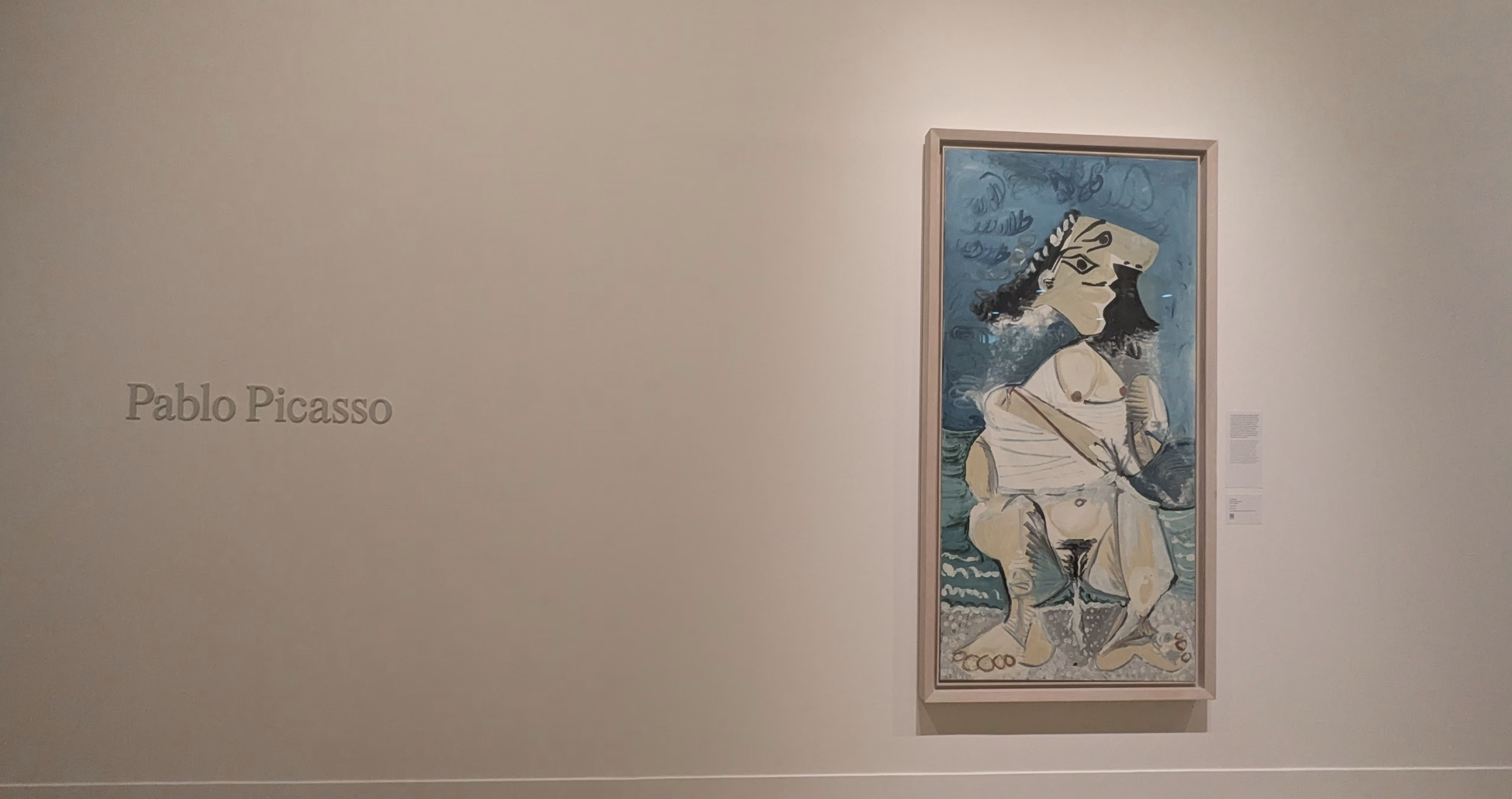
Sena Picasso – Stockholm
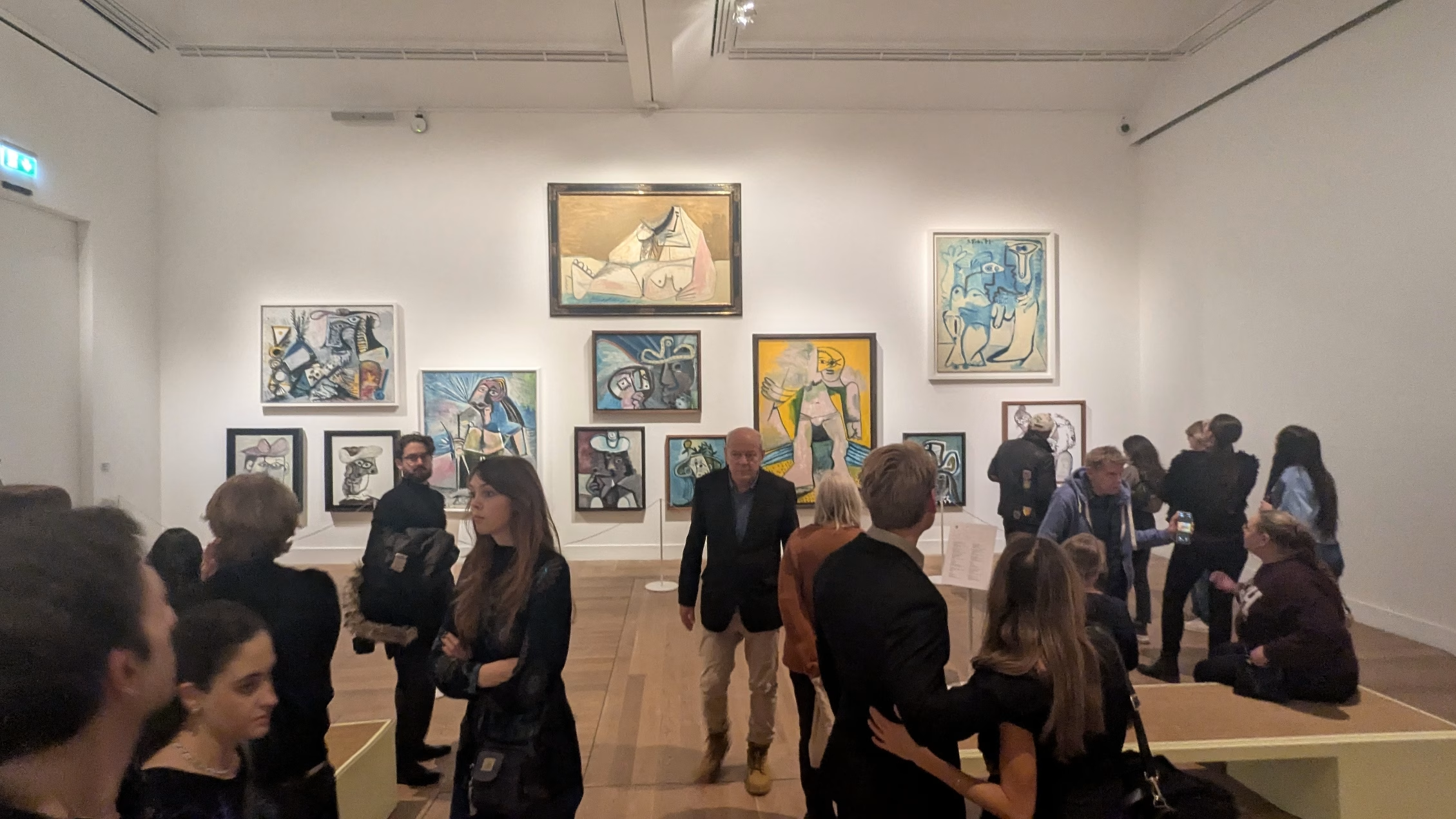
Sena Picasso – Stockholm

Sena Picasso – Stockholm
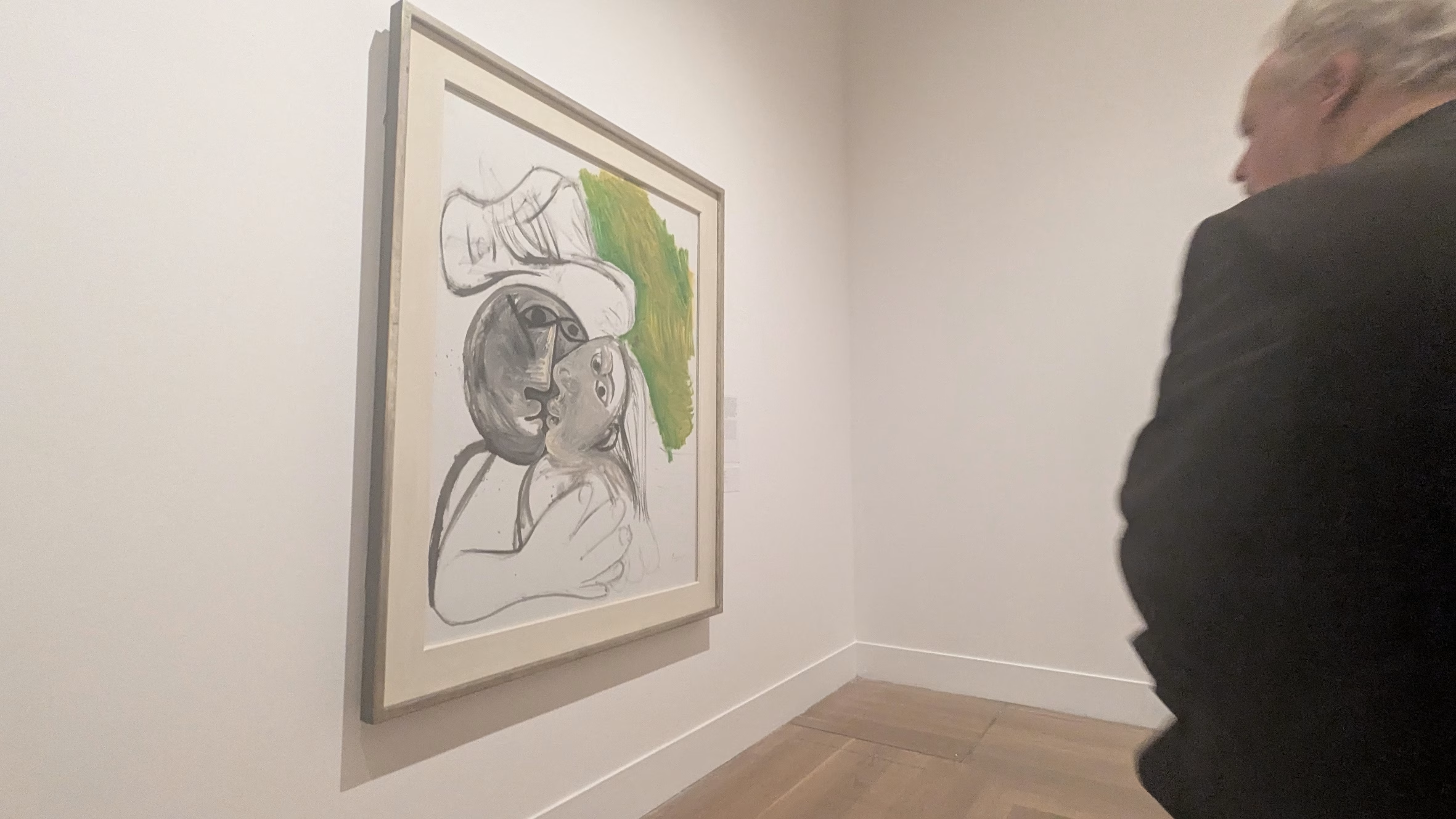
Sena Picasso – Stockholm
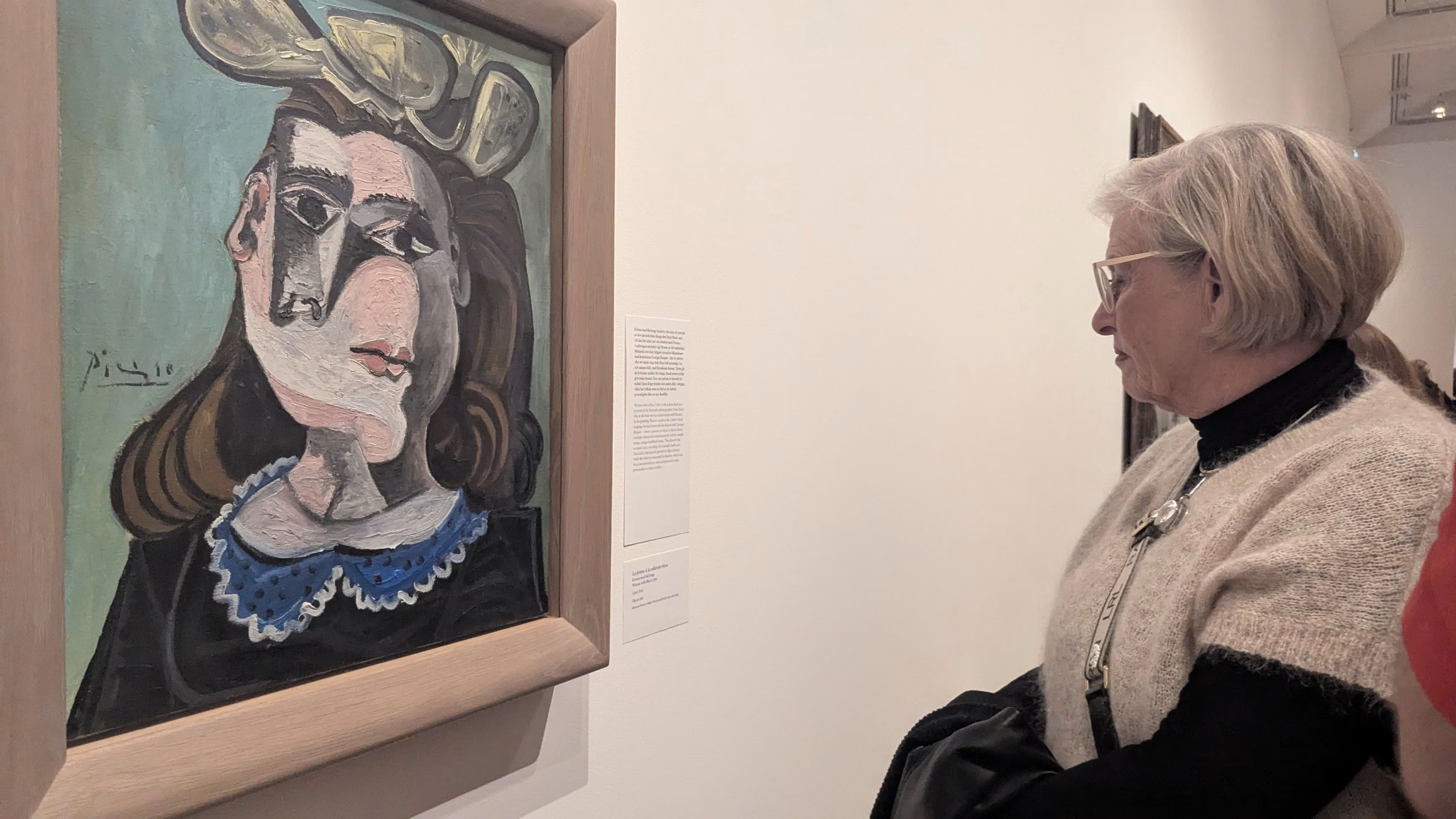
Sena Picasso – Stockholm