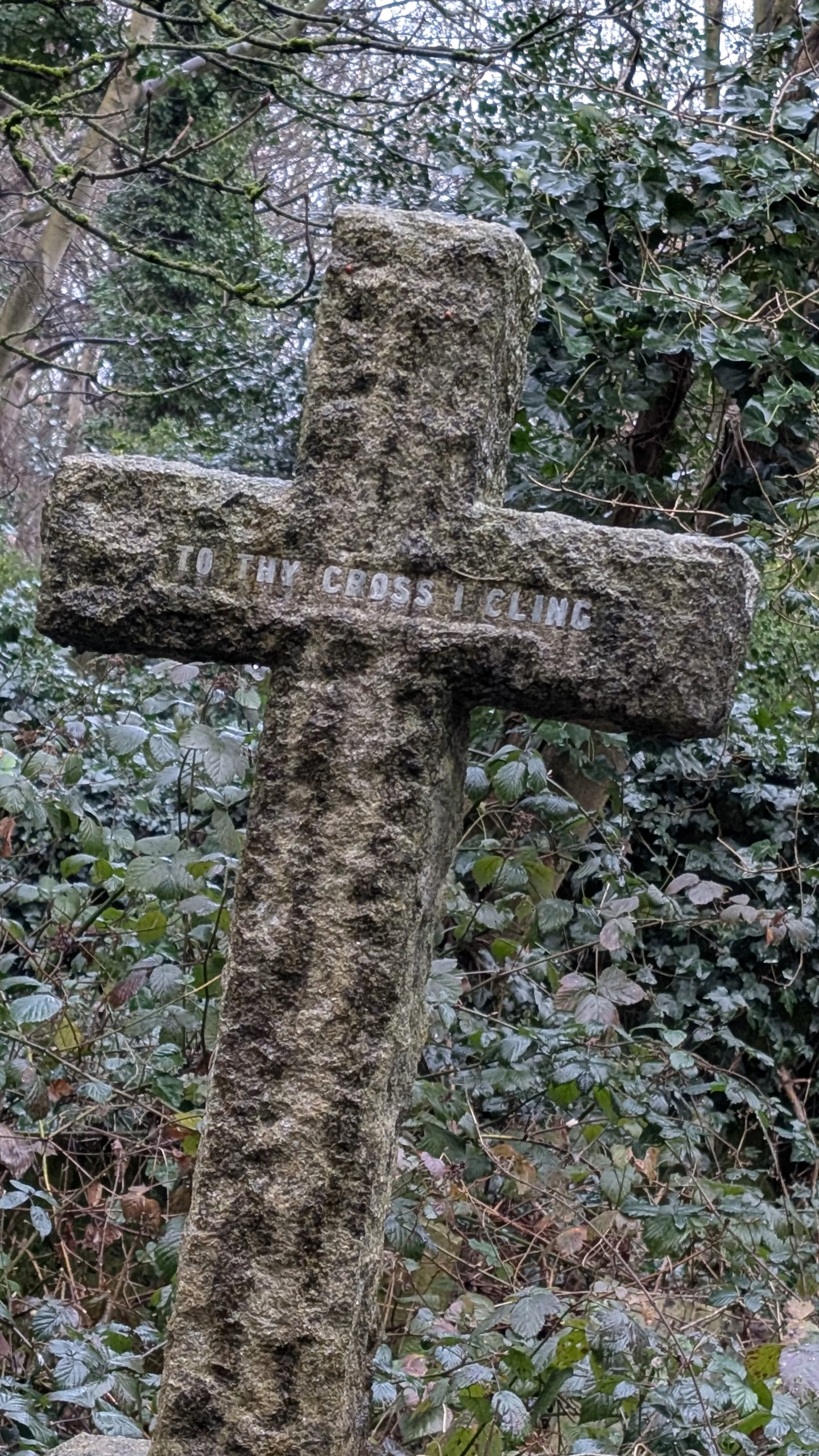
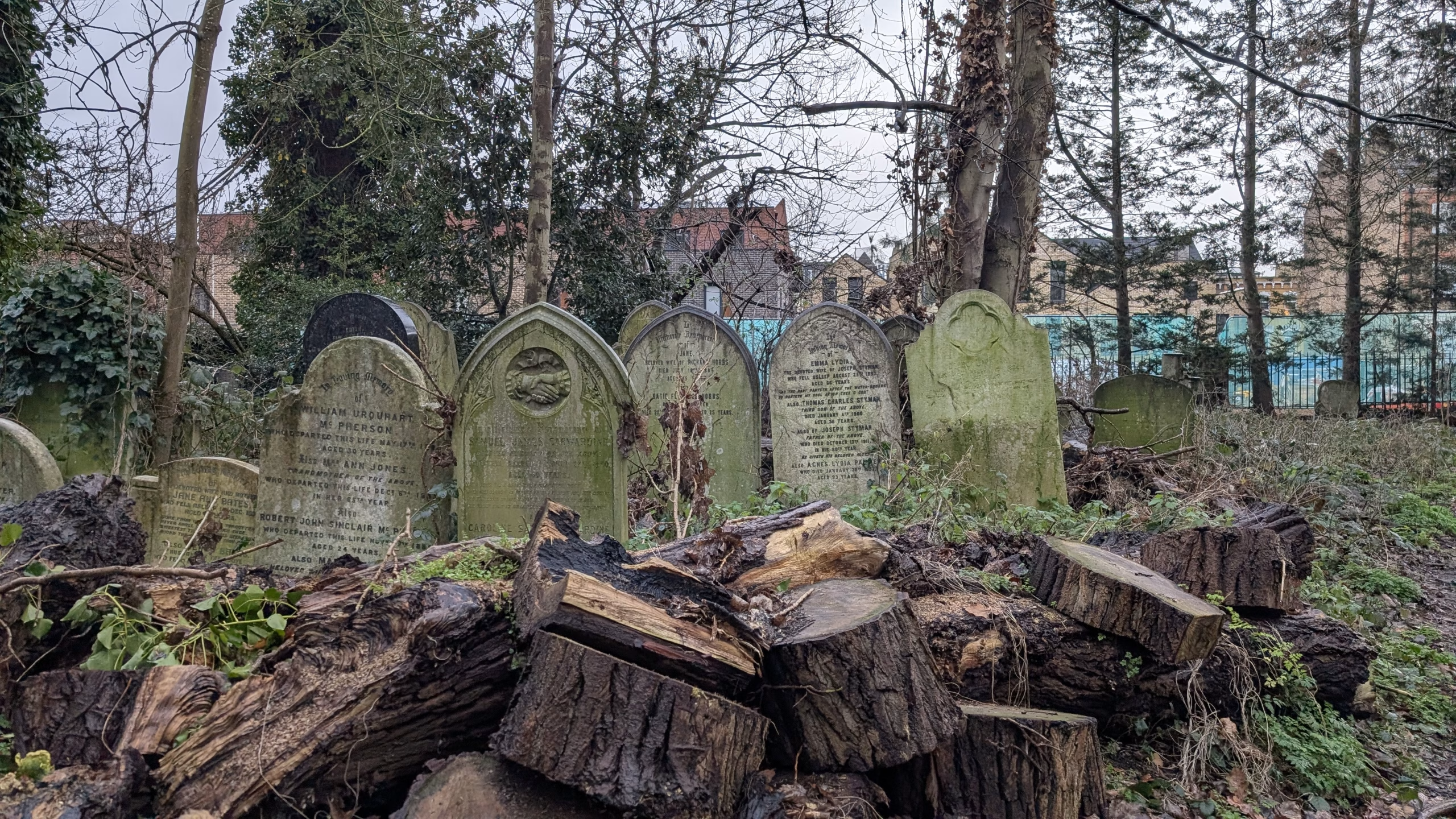
Abney Park Cemetery. They bear a resonant name: the Magnificent Seven. The term refers to the seven great Victorian garden cemeteries of London, created from the 1830s onwards beyond what was then the city centre, in response to the severe overcrowding of inner-city churchyards. Kensal Green, Highgate, Brompton, Nunhead, West Norwood, Tower Hamlets – and Abney Park Cemetery. The label itself gained popularity in the twentieth century, playfully echoing the famous Western film, yet these cemeteries truly stand for architectural ambition, landscaped grandeur, and a new, almost Romantic vision of death as part of a designed natural environment.
An Old Place of Tolerance in trendy Stoke Newington
In what is today the highly fashionable London district of Stoke Newington, Abney Park opened its gates in 1840. From the outset, it was conceived as more than a burial ground. Designed deliberately as a non-denominational cemetery, it welcomed people of all faiths – a remarkably progressive concept in Victorian England. At the same time, it was established as an arboretum, planted with thousands of trees and shrubs from around the world. Nature and remembrance were intended to intertwine. When I first came to Abney Park in the early 2000s, the cemetery had a rather rough, almost gritty charm. Drug users lingered behind trees, homeless people slept in the ruins of the chapel. It felt like a strange “lost place” – and an even stranger setting for a first date.
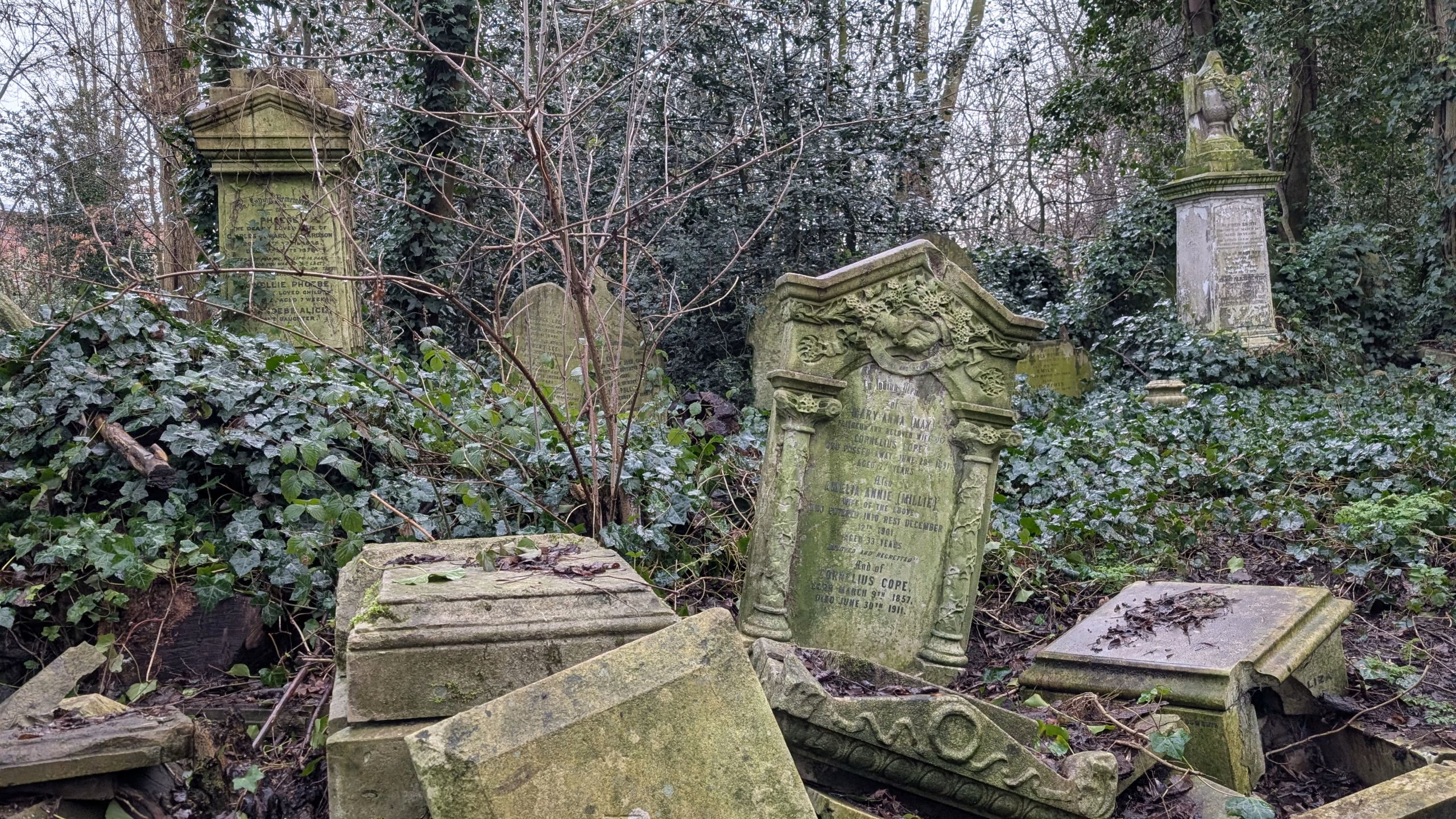
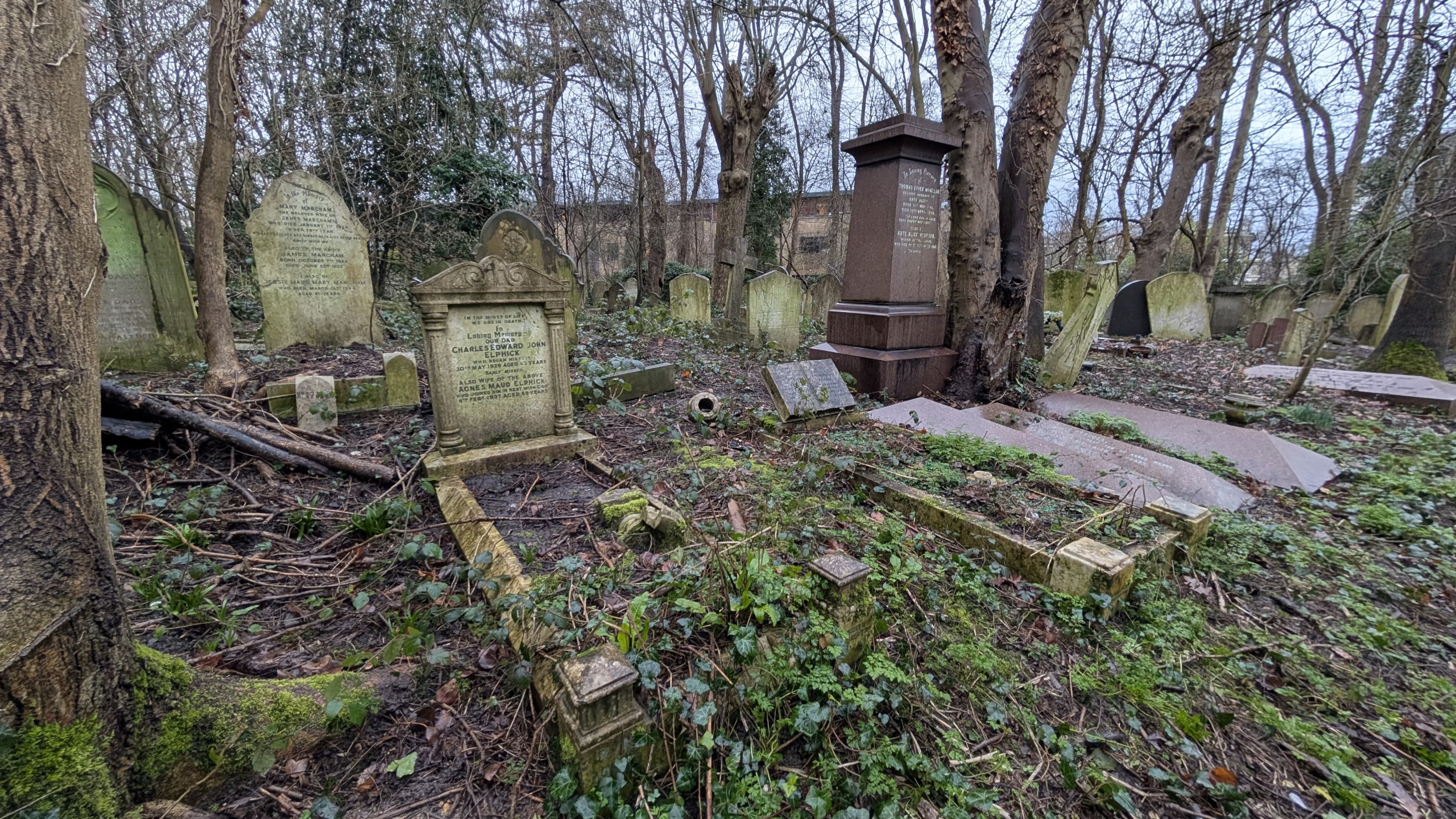
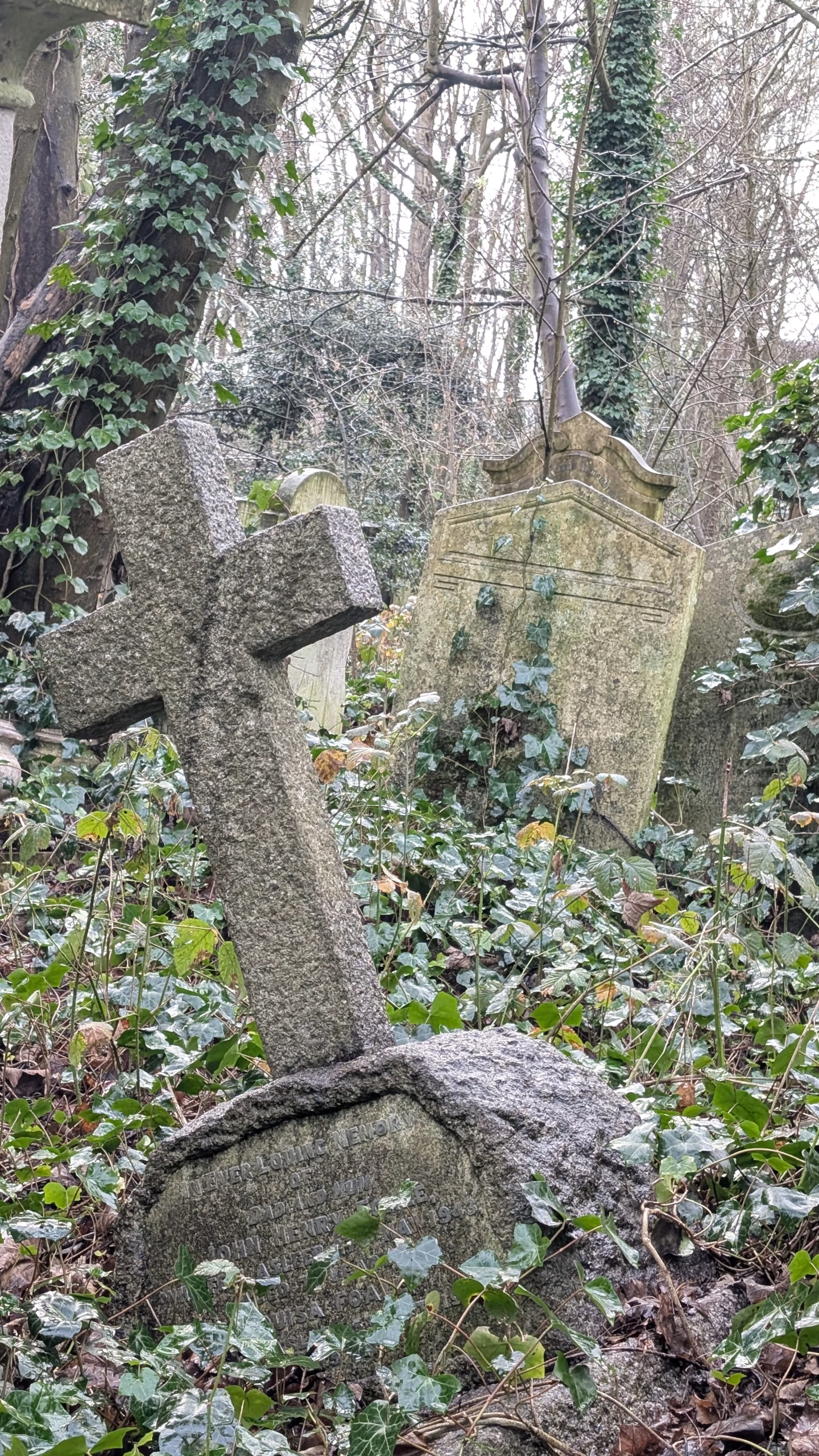
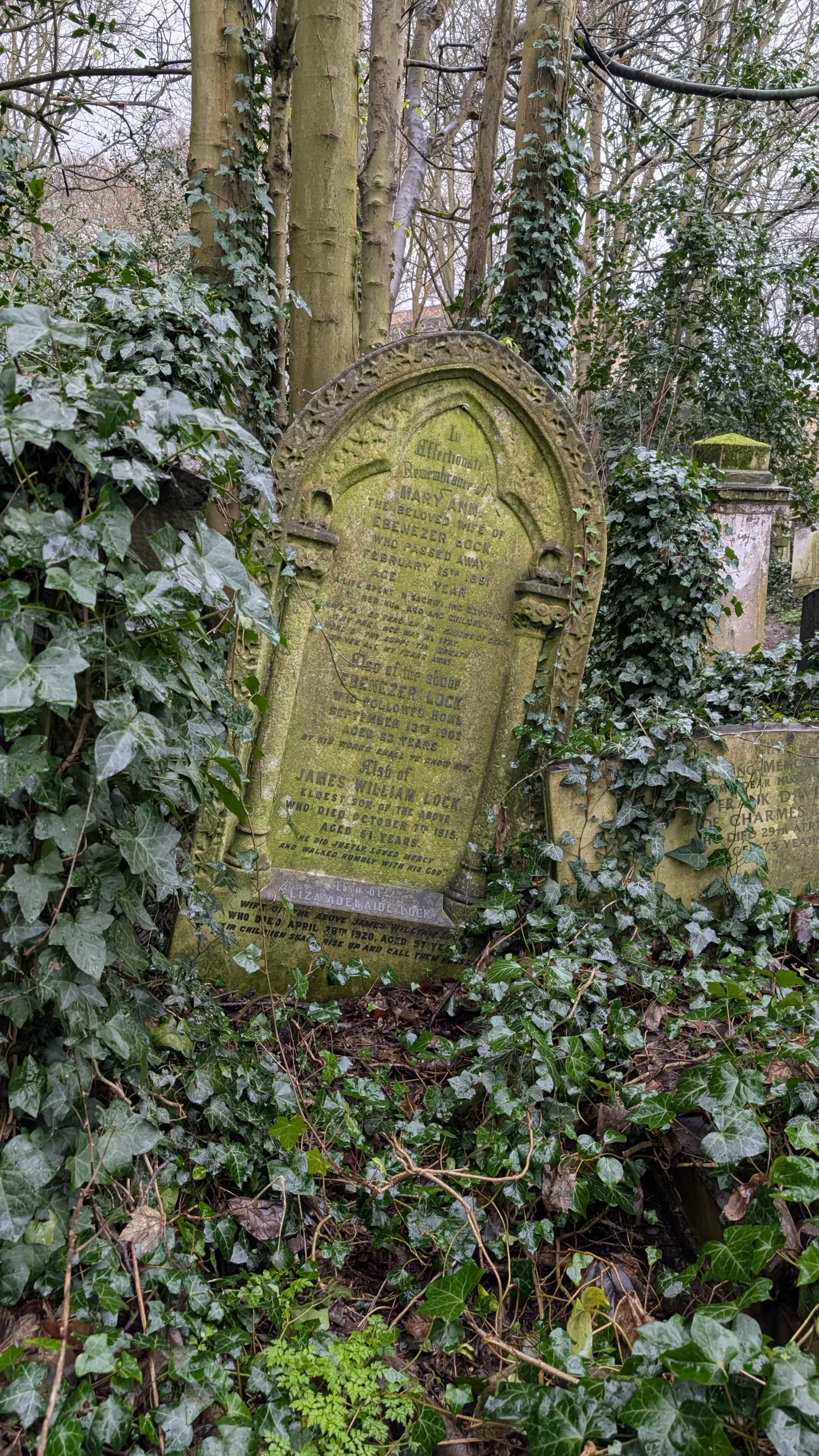
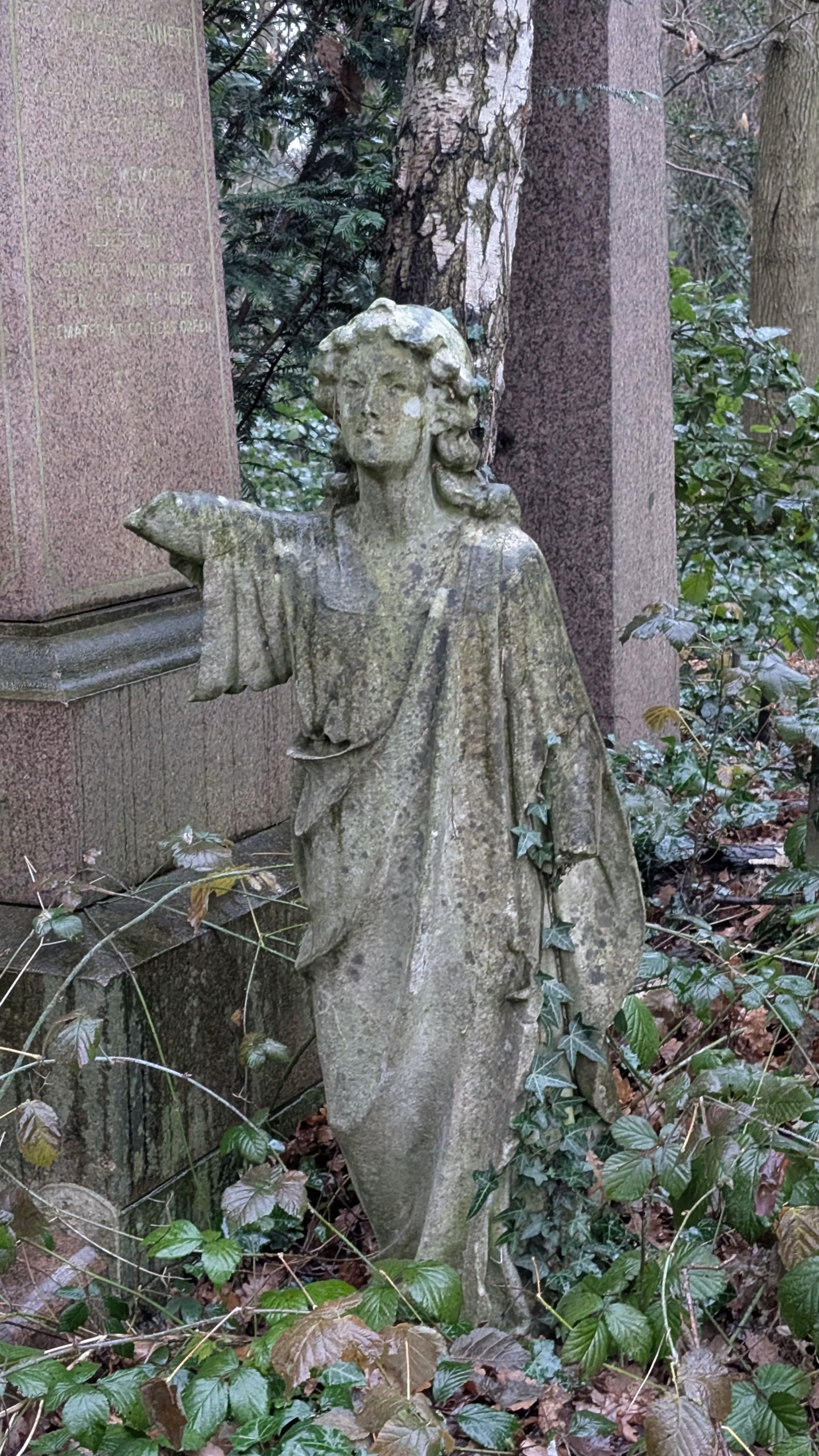
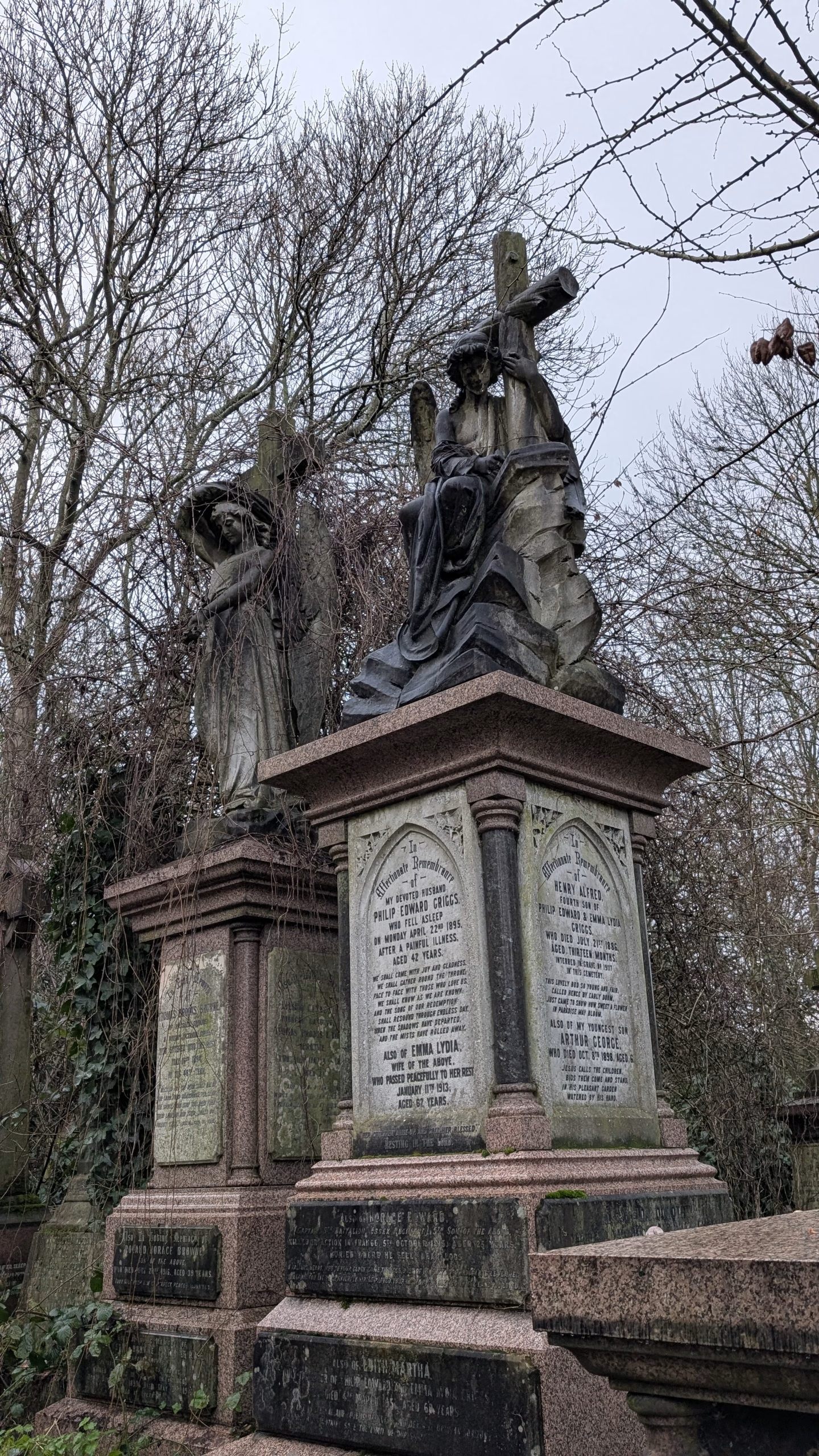
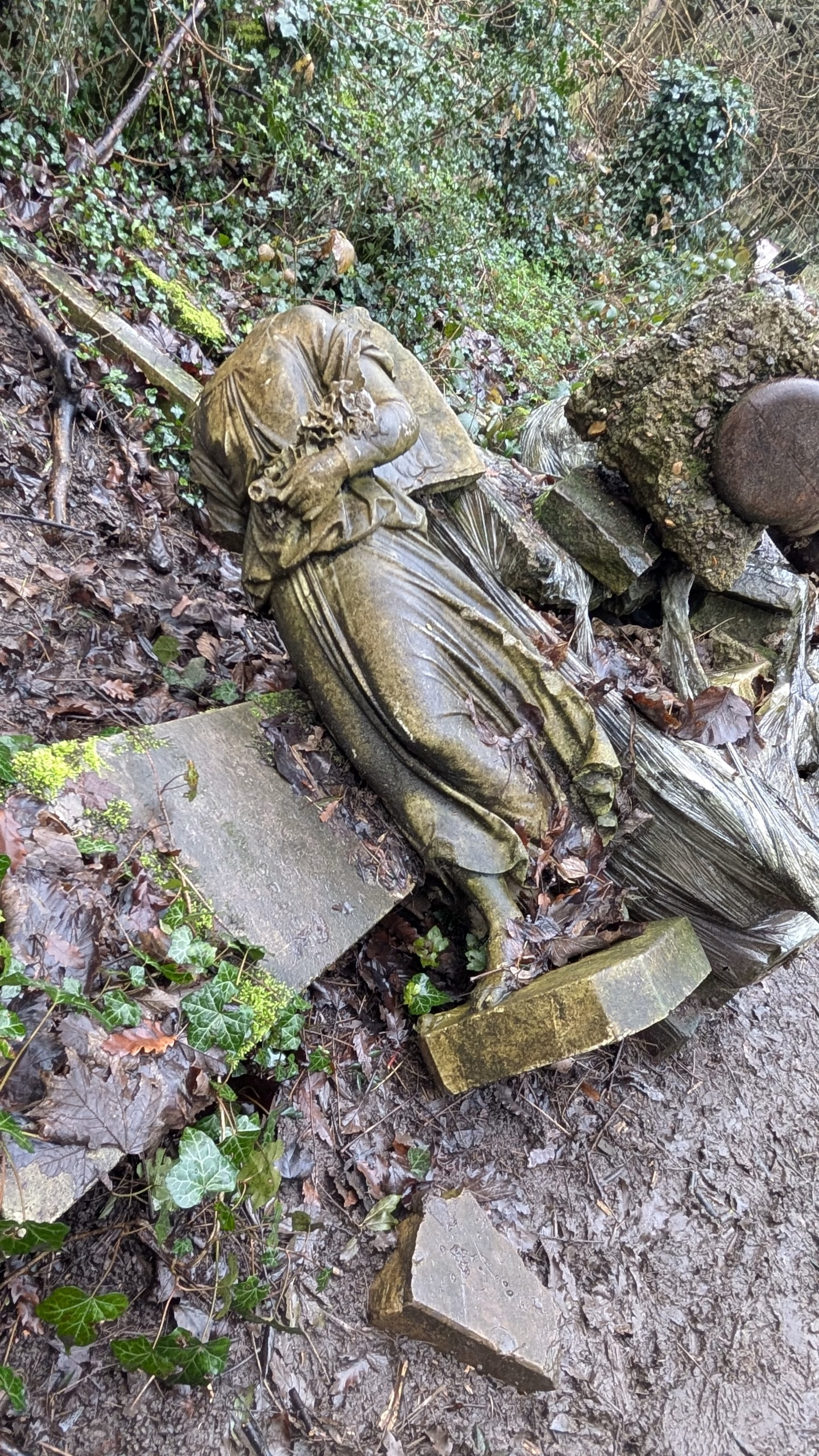
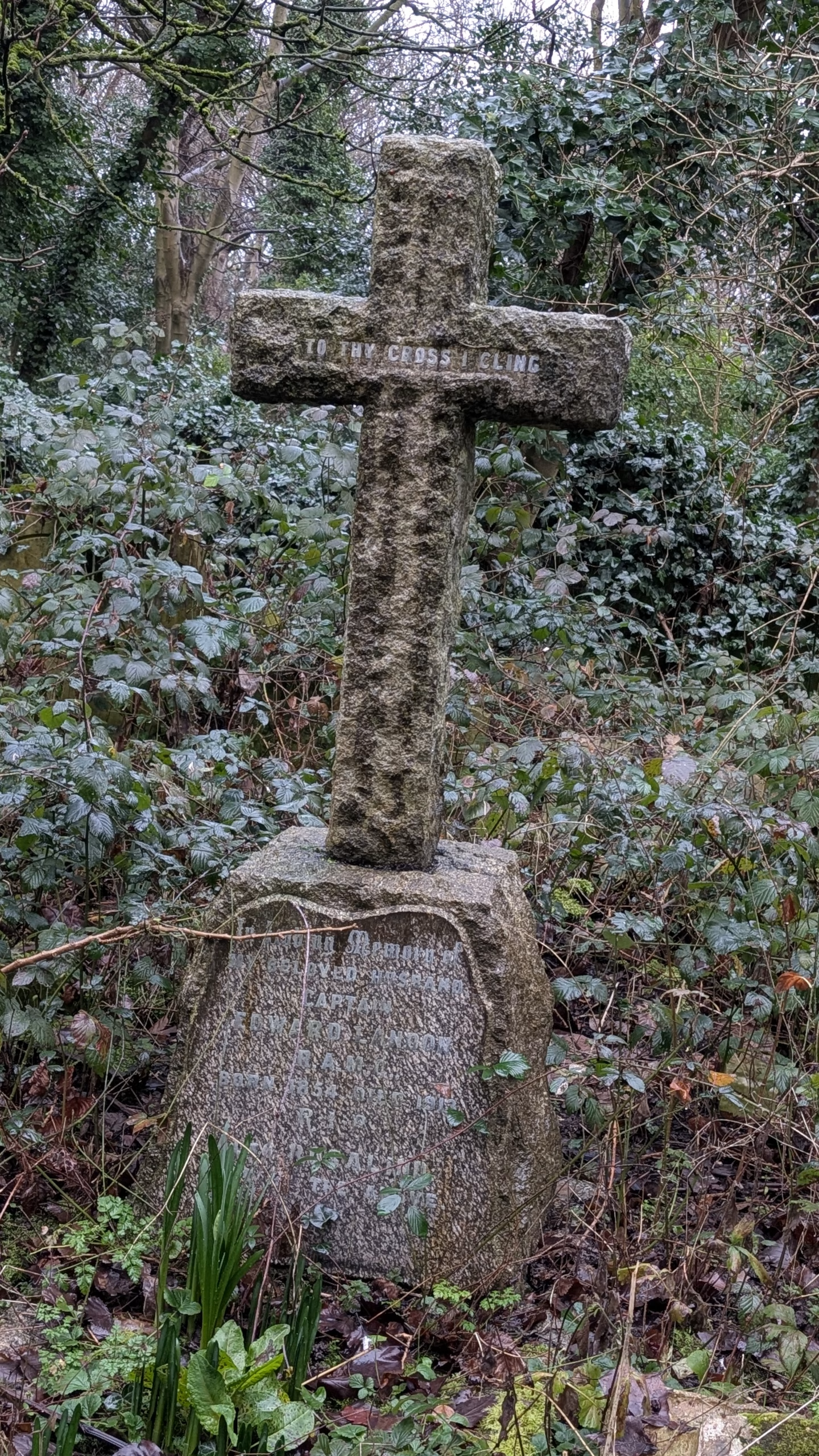
Today, the cemetery resembles an overgrown cathedral of stone and green. Gothic-looking monuments rise between gnarled yews; angels carved from weathered limestone bow their moss-covered heads; narrow paths dissolve into the half-light beneath dense tree canopies. Here, the passage of time is not an adversary but a collaborator. Ivy curls around inscriptions as if carefully preserving the names of the dead. Light filters through leaves, dust moves gently in the air – a scene of almost cinematic melancholy. Yet Abney Park is no longer a forgotten ruin. After periods of decline during the twentieth century, it was protected and is now both a historic cemetery and a designated nature reserve. Birds nest in old walls; rare plants flourish among the gravestones. Life and transience do not oppose one another here – they coexist as quiet accomplices. The arboretum, a dense woodland planted by human hands, forms a secluded oasis in the heart of the megacity. In this space, London – often perceived as grim, cool, and impenetrable – seems suddenly vulnerable, hushed, almost fragile.
Rediscovered, Cherished, Sustained – Abney Park Cemetery today
To truly understand this place, one must not simply walk through it, but explore it. Guided tours open up new perspectives: they tell of nineteenth-century social reform movements, of notable individuals buried here, and of the extraordinary idea of a cemetery without denominational boundaries. Botanical rarities and architectural details emerge that might otherwise escape the casual visitor. Between social history, natural science, and urban development, a richly layered portrait of this unique site unfolds. Knowledgeable local guides – true London originals with a deep sense of the city’s past – share both the documented history and the many stories connected to the cemetery. An afternoon tour, often held on the first Sunday of the month, is time well invested for anyone drawn to historic cemeteries and atmospheric former “lost places.”
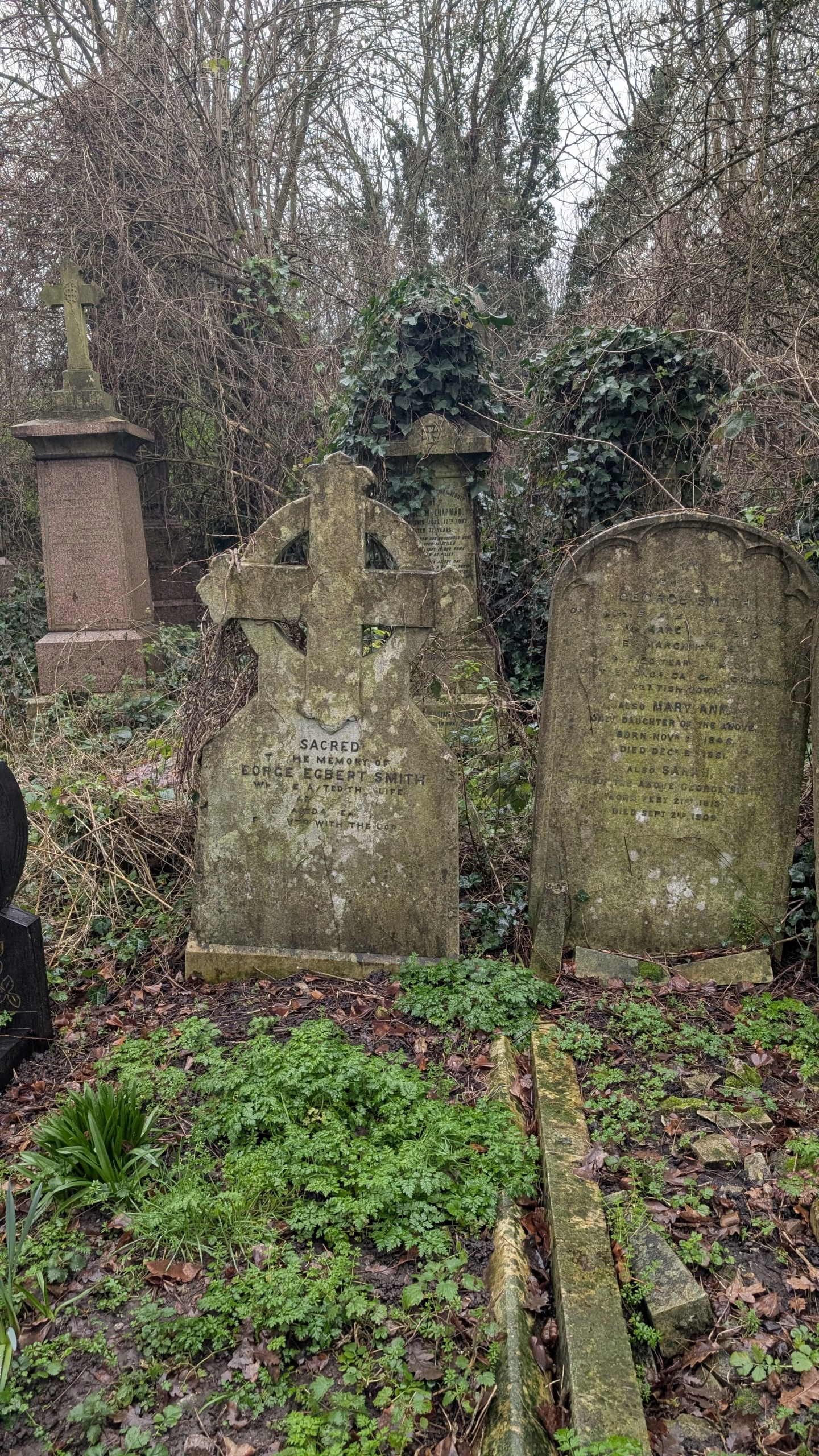
Abney Park
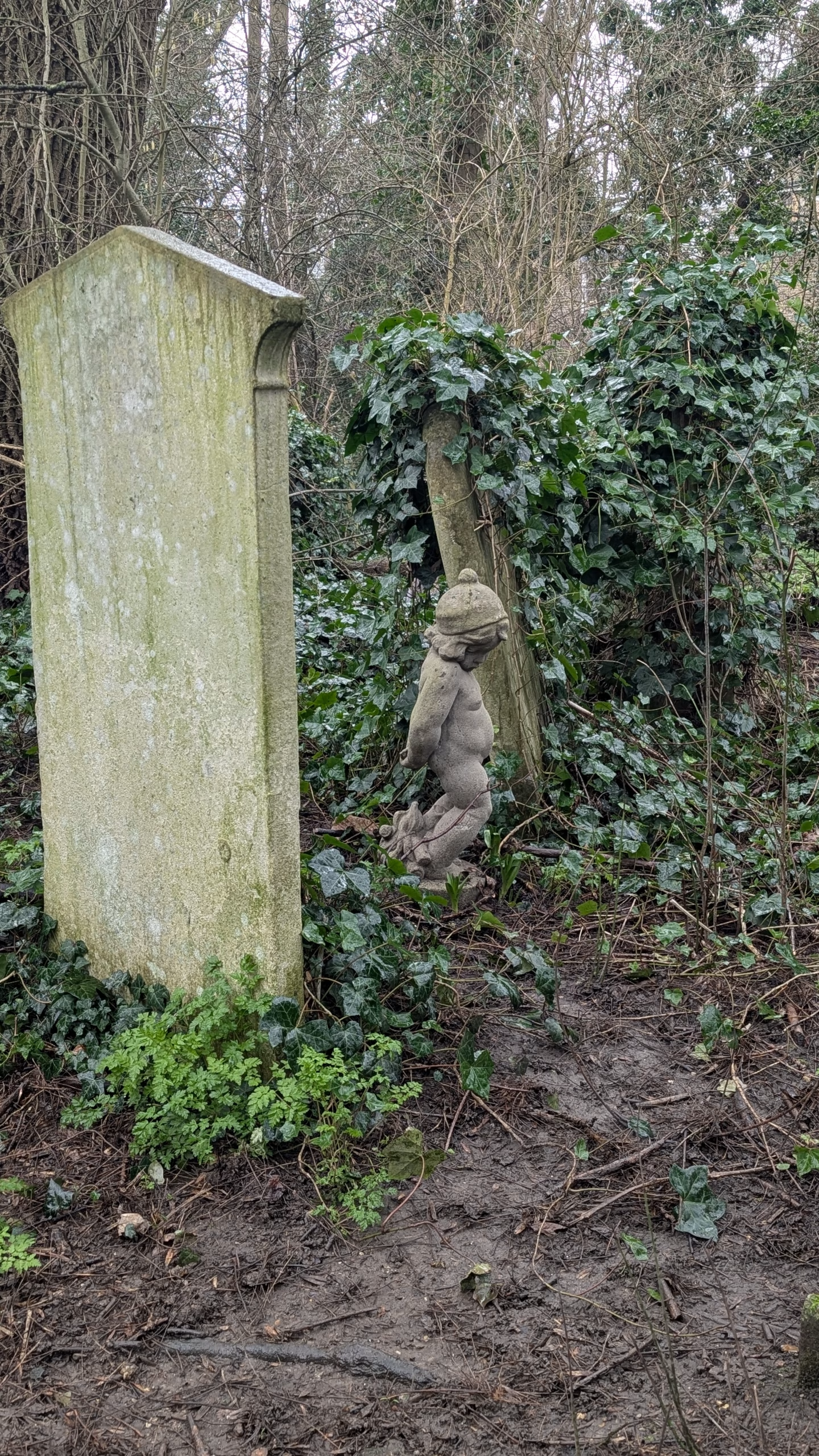
Abney Park
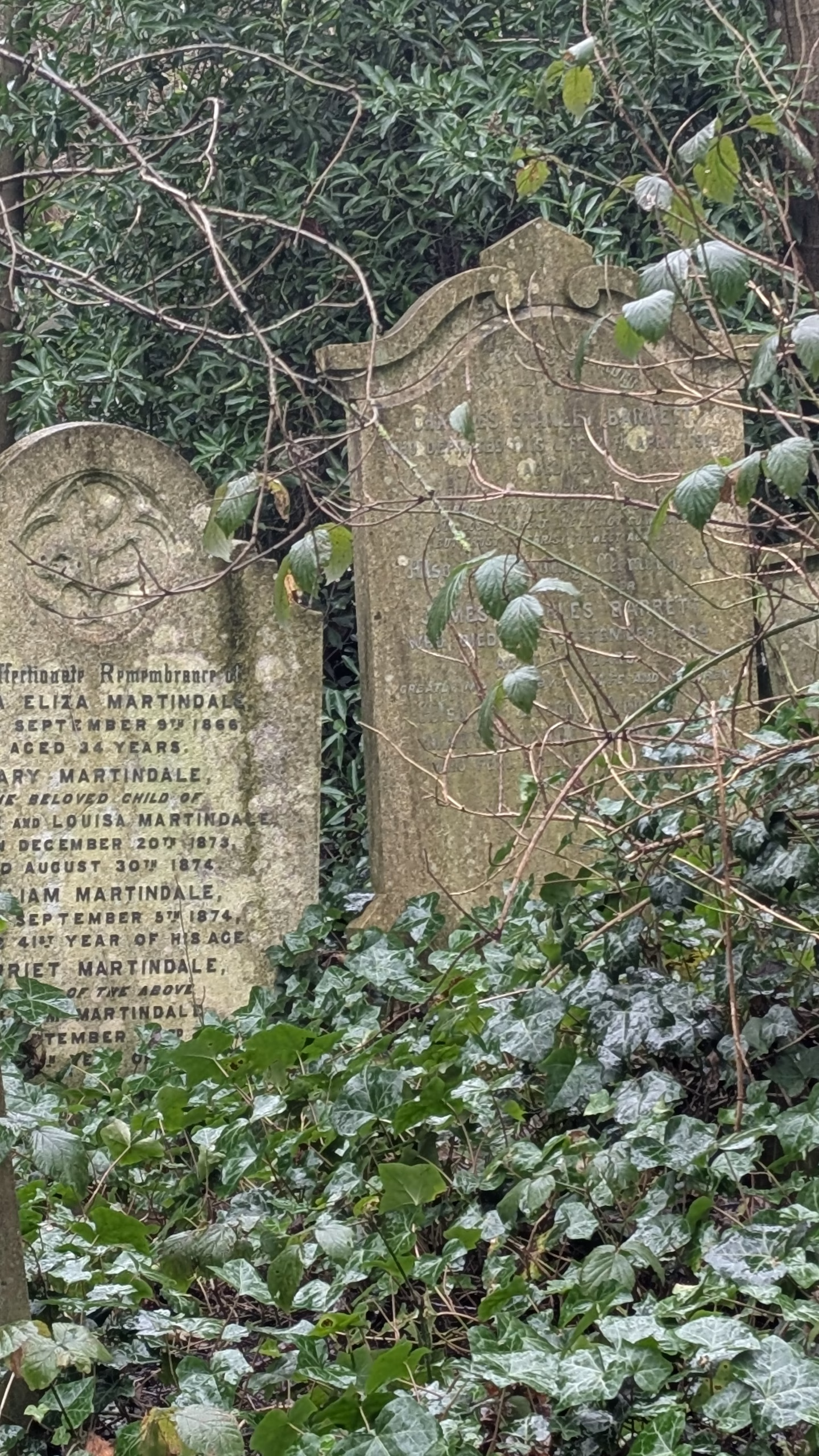
Abney Park
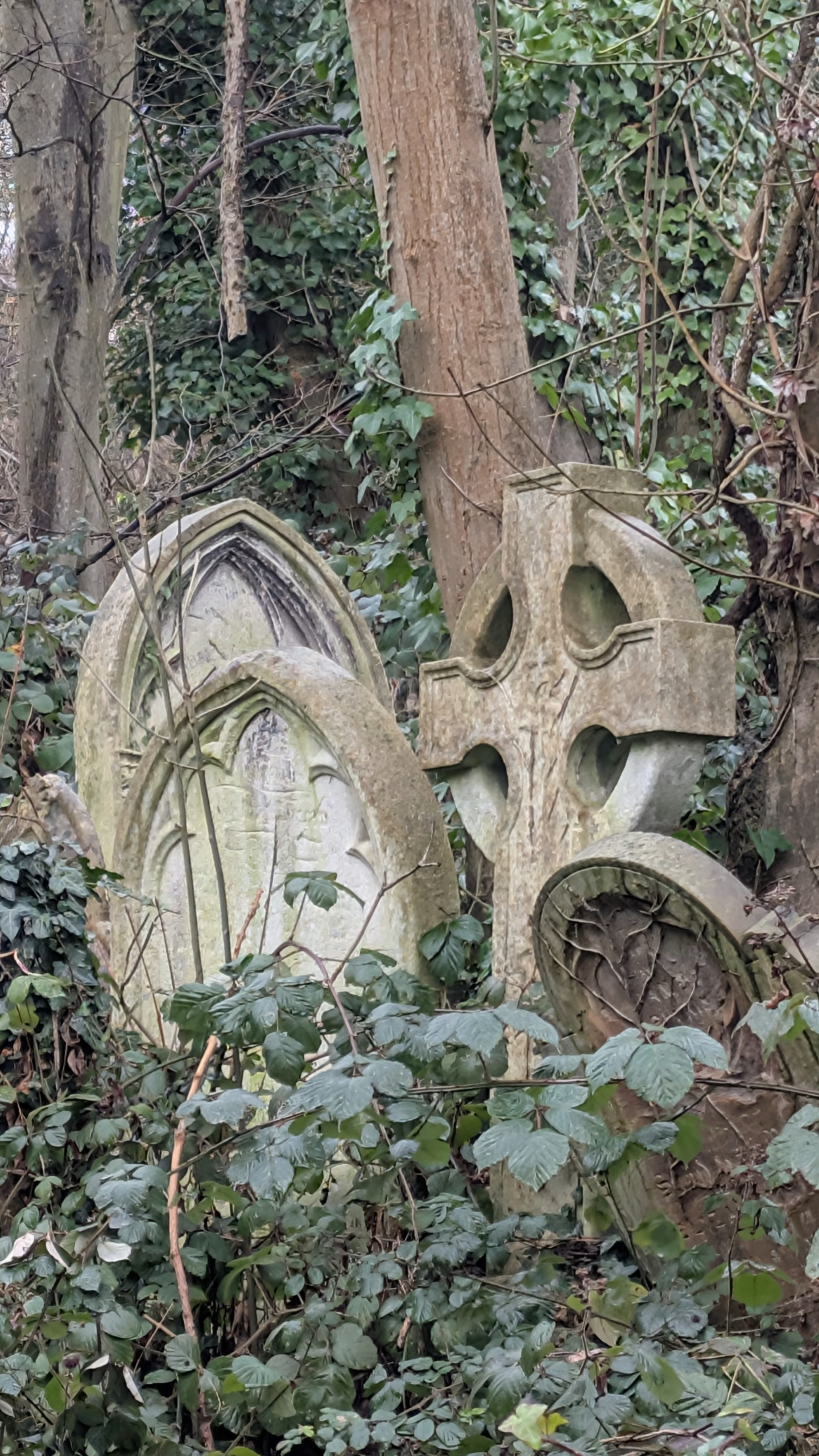
Abney Park
Abney Park
Abney Park
Abney Park
Abney Park
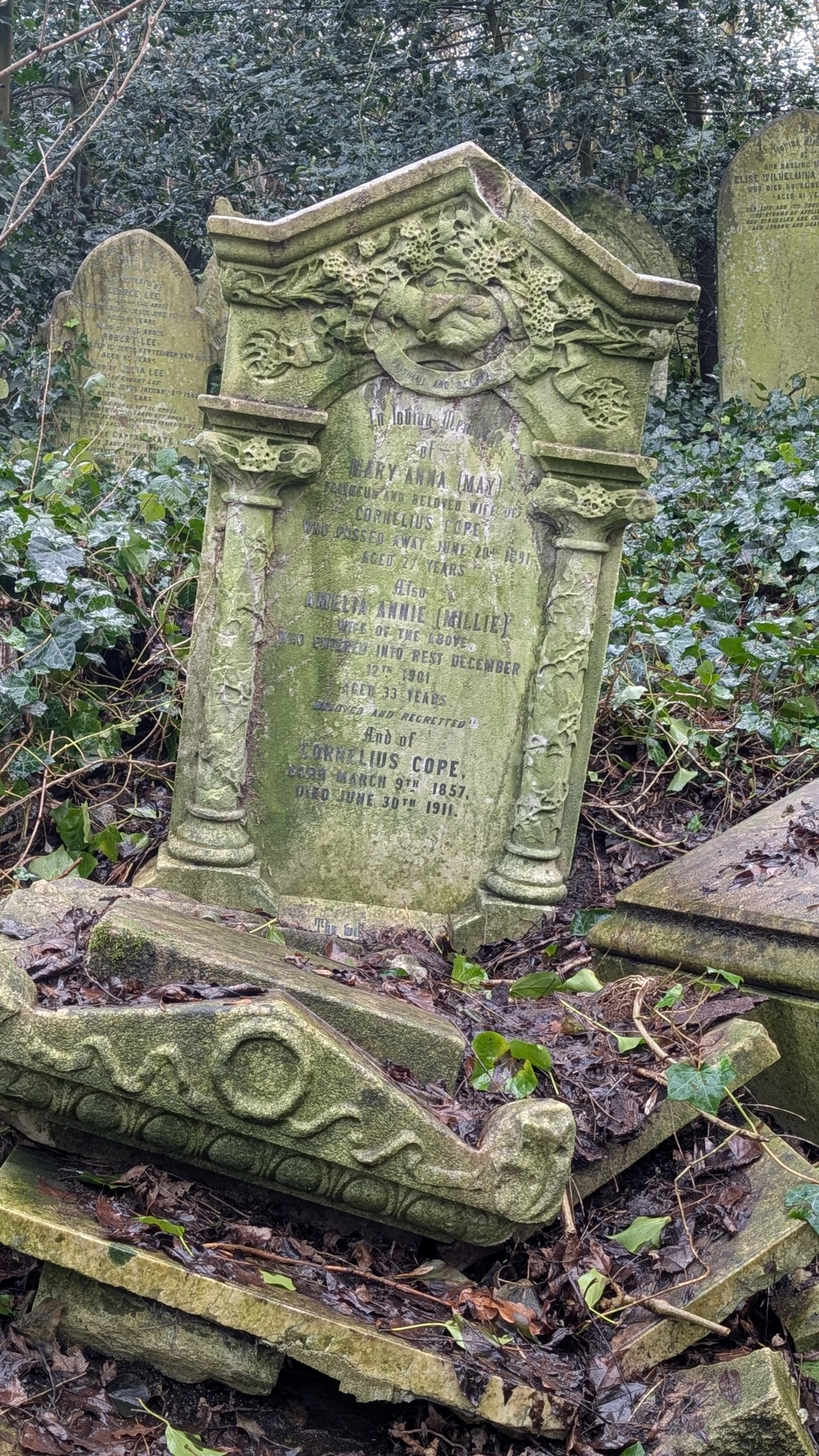
Abney Park
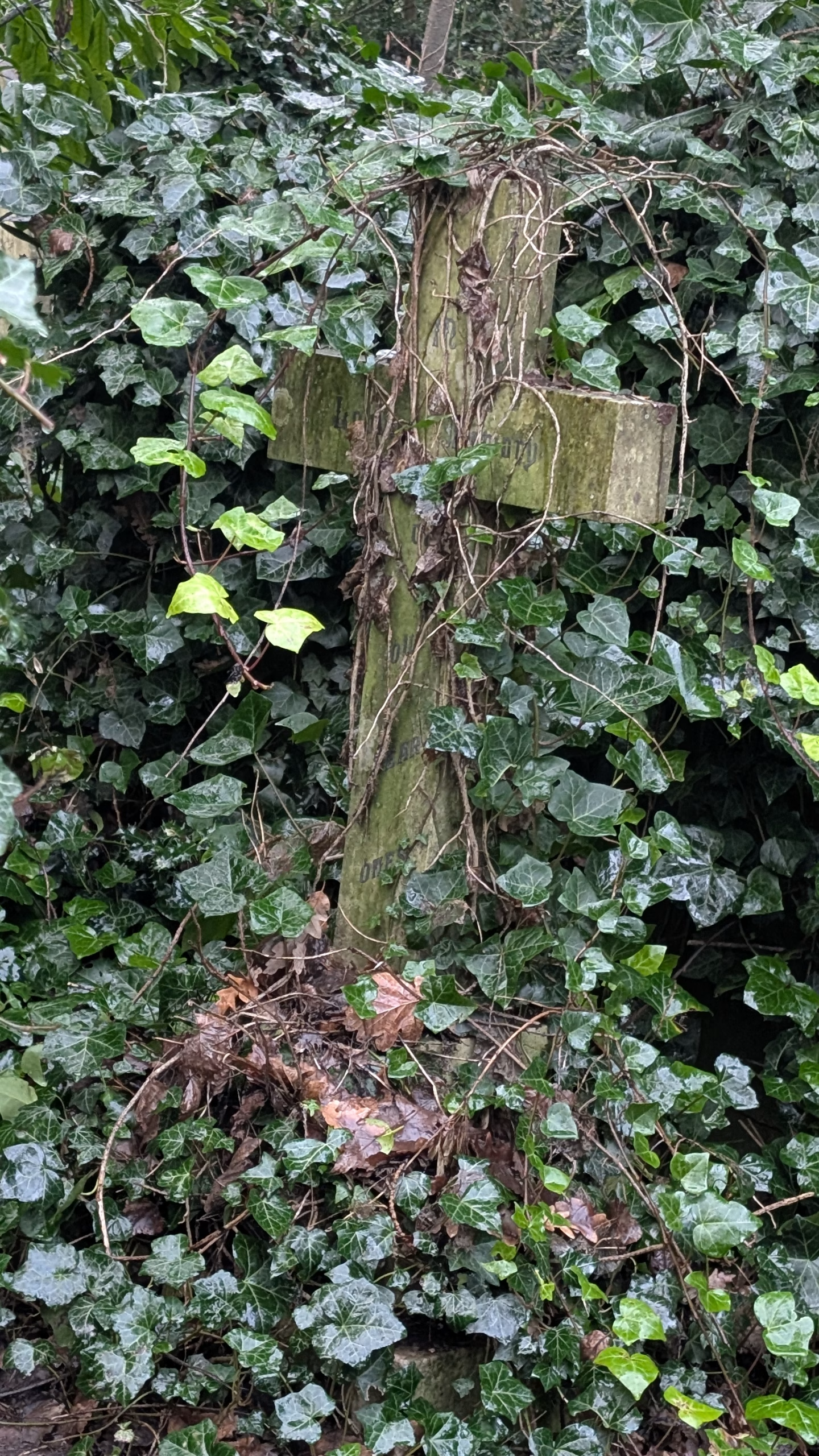
Abney Park
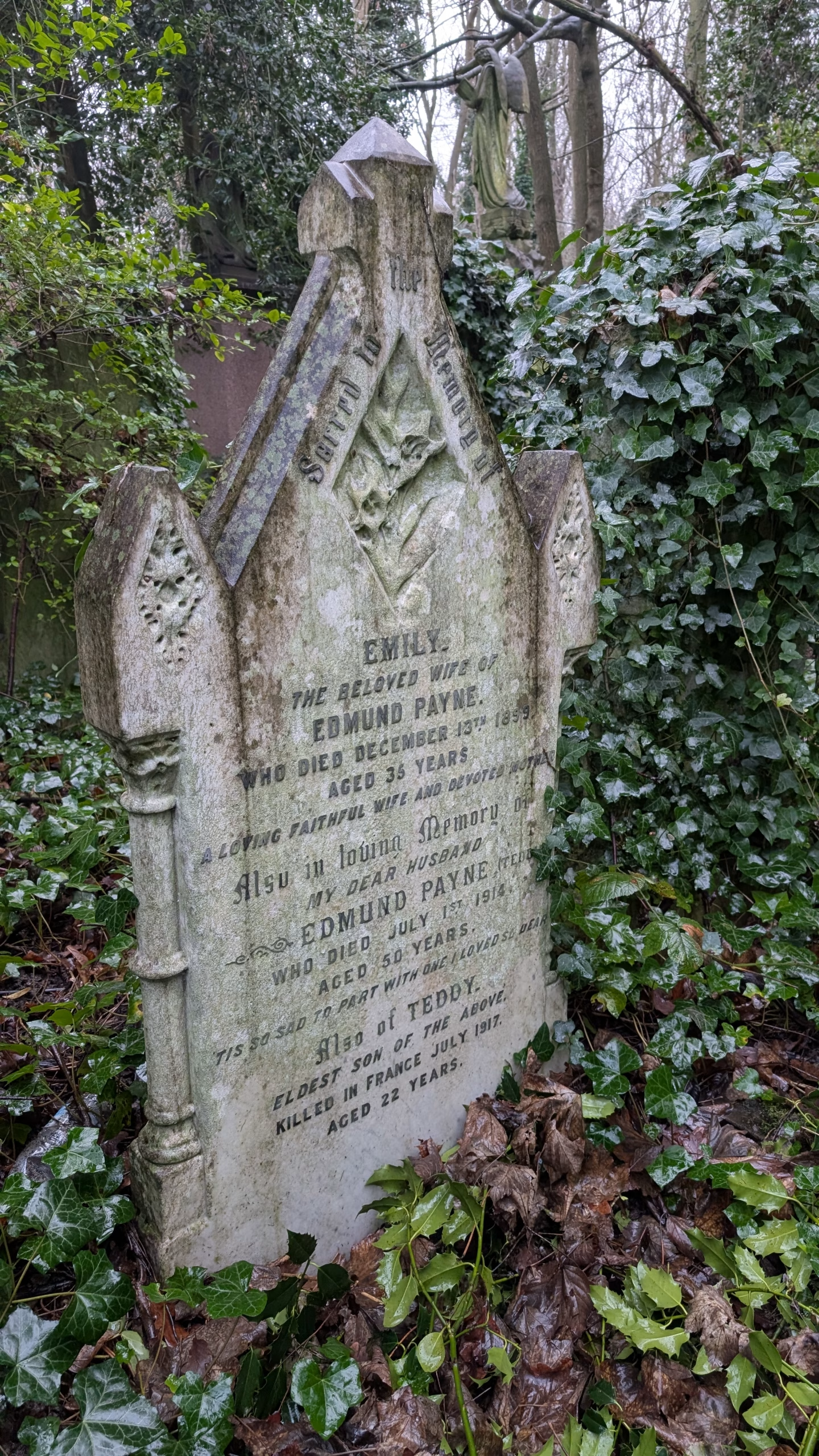
Abney Park
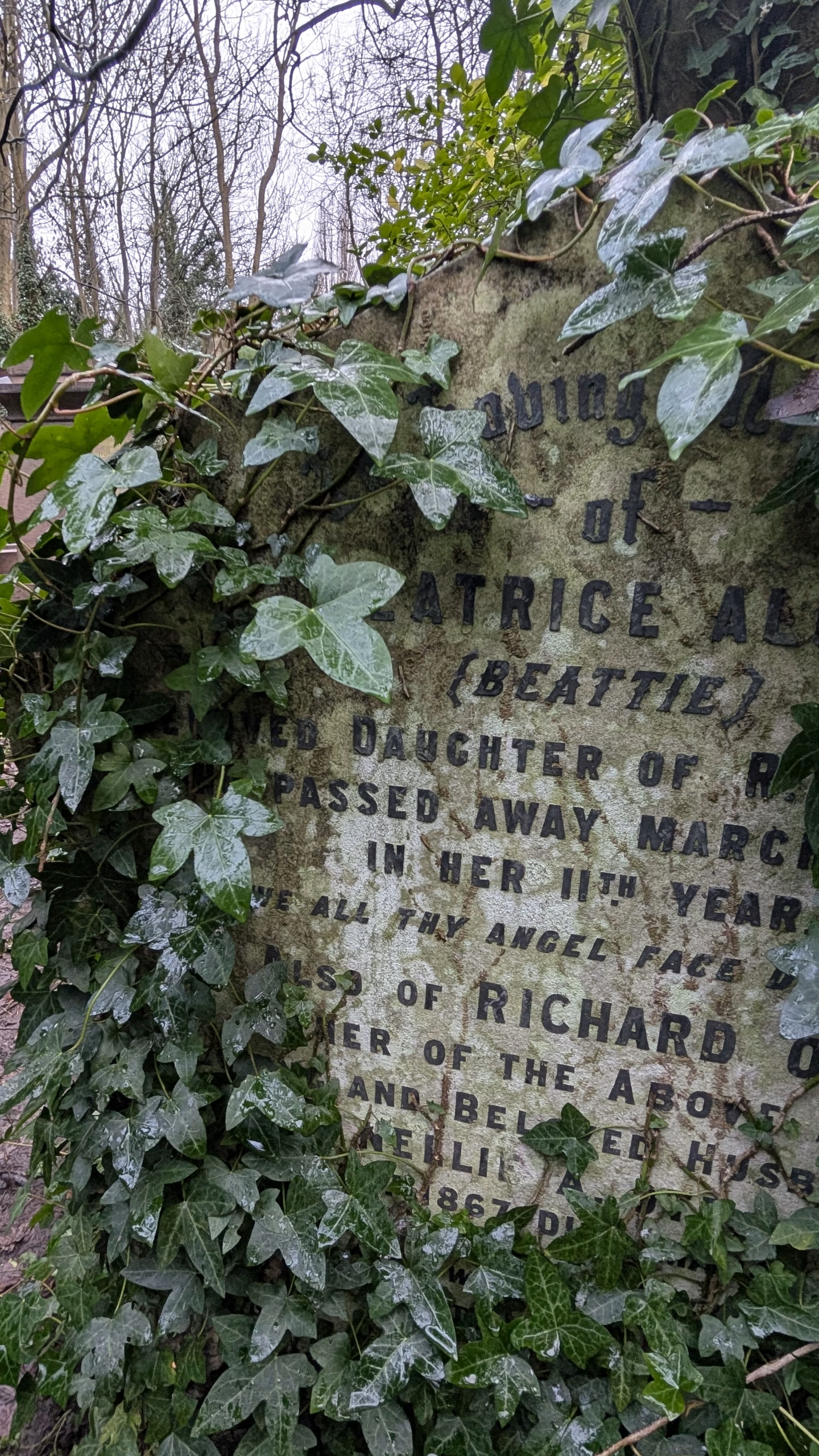
Abney Park
Abney Park
Abney Park